The industry :
Expertisse and Care.

Kosher certified, under ISO 22000 implementation and exporting to France, Spain, USA, Caribbean and SouthAmerica.
Our canning facilities are solid infrastructure located in the province of Heredia, and was constructed in 1997, today is fully equipped with the most efficient technology and operating with high qualified work force, trained in Good Manufacturing Practices, in order industrialize all the foods harvested in our farms, already in operations since 1989. Once arriving to the plant, each lot of vegetables or fruits is controlled and trazable. We can know the time and date of each lot processed.
The HACCP reports are filled process after process, indicating all the critical variables, including cooking temperature, size, weight, and other important reports such as cleaning of surfaces or water control. One of our prides is to protect the same environment which gives these beautiful products. The plant’s wastes are recycled into the farm and for animal feeds. The social part is also a concern for our organization, bringing local development to the Horquetas Community.
Our Palms : The natural habitat
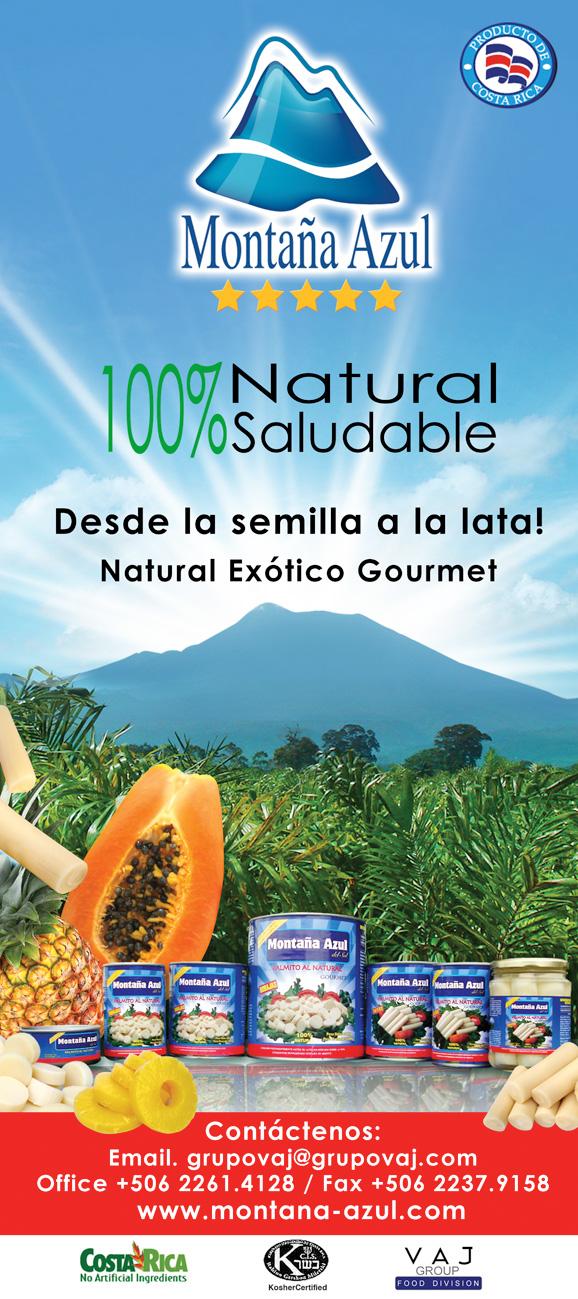
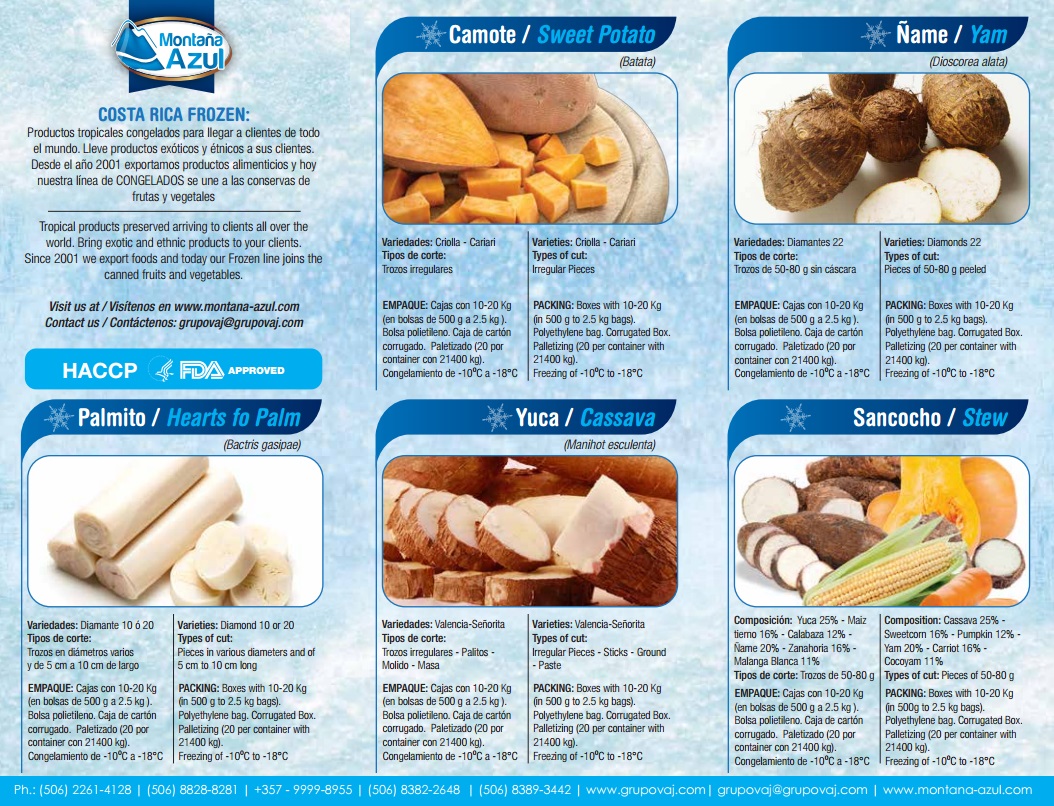
Our EZ-Open Heart of palm, is also called palm heart, burglar's thigh, palmito, chonta or swamp cabbage… such a gourmet vegetable should have many names, but is as simple as its appearance.
Perfectly cilindric, immaculte white and full of fiber, harvested from the inner core and growing bud of pejibaye (Bactris gasipaes) palmtrees. Heart of palm is often eaten in salads, rice recipes and other delicacy dishes. This PalmTree passed from being used by native Amazonian as source of materials for housing, food and weapons to be used in a famine food to the desperately poor who felled palms in the swamps of Florida during the Great Depression. But after those hard times, gourmets discovered the heart’s subtle mix of flavours reminiscent of asparagus, artichoke and mushroom.
By the 1950s, the hard-to-harvest delicacy was being showcased in a decadent-sounding but easily prepared dish called “millionaire’s salad.” Today, chefs and foodies are increasingly using heart of palm—sliced, diced, blanched and lightly sautéed—in salads, stir frys and casseroles, any dish that calls for a stalk vegetable with a little class.
“this tasty and ‘croqant’ heart of a Palm makes you taste the exuberant wildlife of the tropics… Costa Rica must show this delicacy to the world!”
Pierre Claremont, French tourist when tasting a Heart of Palm in our Plant tour.
One of the World's Biggest Private Farms

Millions of seeds were carefully selected to create our farm: one of the world’s top10 private owned Palm Farms.
Little by little the palms are transplanted from one nursery to its current location and after 2 years, our local collaborators will harvest them.
This farm, created a green view of the landscape and also the palmtrees are used by the biodiversity of birds, mamals and reptiles to cross and inhabitate.
Great carbon fixers in the soil, the cultivation of these palm variety avoid locals to extract from the virgin jungle, as it hapens in other locations of the world.
Harvesting : A harvest saves the environment.
This unique palmtree has the characteristic of having multiple stems, but only one will grow and cut, over and over again. When harvesting the cultivated young palm, the tree is cut down and the bark is removed leaving layers of white fibers around a center core.
During processing the fibers are removed leaving the center core or heart of palm. The center core is attached to a slightly more fibrous cylindrical base with a larger diameter.
It is worth of seeing the artistic movements almost dancing-like, they have to master in order to avoid the sharp thorns of the palm tree, all this just to offer one of the most demanded gourmet products.
The entire cylindrical center core and the attached base are edible. The center core is considered more of a delicacy because of its lower fiber content. After making groups of stems harvested, friendly dunkeys transport each group to the main hallway, where the vehicle transports them to the plant.
Our Pinneaple: Sweeter and Brighter
MD2 Variety, beautiful and delicious

This tropical fruit also known as Ananas, has conquest all the world because of its flavour and availability all year long. Costa Rica has various locations where the pineapple grow easily because of humidity and soil conditions.
Our variety is a new variety of Pinneaple developed by Costa Ricans experts: MD2 Golden pineapple.
Found from little markets from Germany to the big megamarkets in USA, you can find Costa Rican Pineapple. Our version : Canned, in glass jars to enjoy its bright yellow colour.
Brix degrees will be sourrounding the 15, but also we manage the specifications as per the client. Numbre of slices, in light syrup or in fruit juice; you know your market. What we know is how to preserve its delicious flavour and rich colour.
Our Cassava (Yuca)
a convenient solution for ethnic food lovers
Costa Rica is one of the world's most important exporters of yucca. Known also as mandioca, cassava or yucca, this root has its origins in the African continent, where it's used still for the african cuisine.
Its pass through America begun with the African population arrivals, they brought their traditions and became part of the Latin American cuisine as well, becoming Cuba's favorite dish usually served with garlic and lemon.
Our proposal to your clients: a fast food solution, ready to eat and tastes exactly like the ones you cook yourself, but saving time of course.
- No cutting the yucca, no time cooking it, no wastes... we have done it for you. Just open the can and it's ready.
- Preserved in salt and water only. No preservatives because the salinity environment allows the product to keep the life shelf for over 4 years.